
DOA CenterFire Shooting Bench Top Ambidextrous
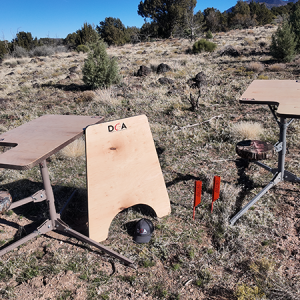
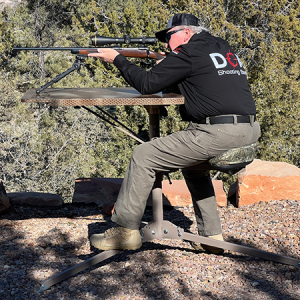
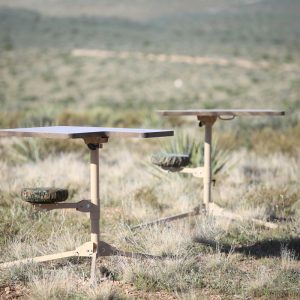
Just so we’re crystal clear: this is the top only. No legs. No seat. No tripod. No full bench. You’re getting the wooden surface and that’s it—because apparently some people still need the reminder that “tabletop” doesn’t magically include the entire shooting setup.
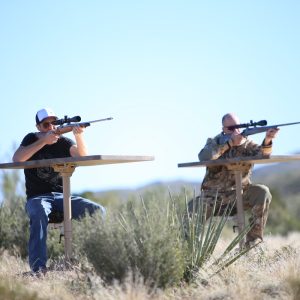
After years of people asking for an ambidextrous table that anyone could share without arguing over whose turn it is or whose side is “better,” we gave in and built one. Turns out equal access was a popular request.
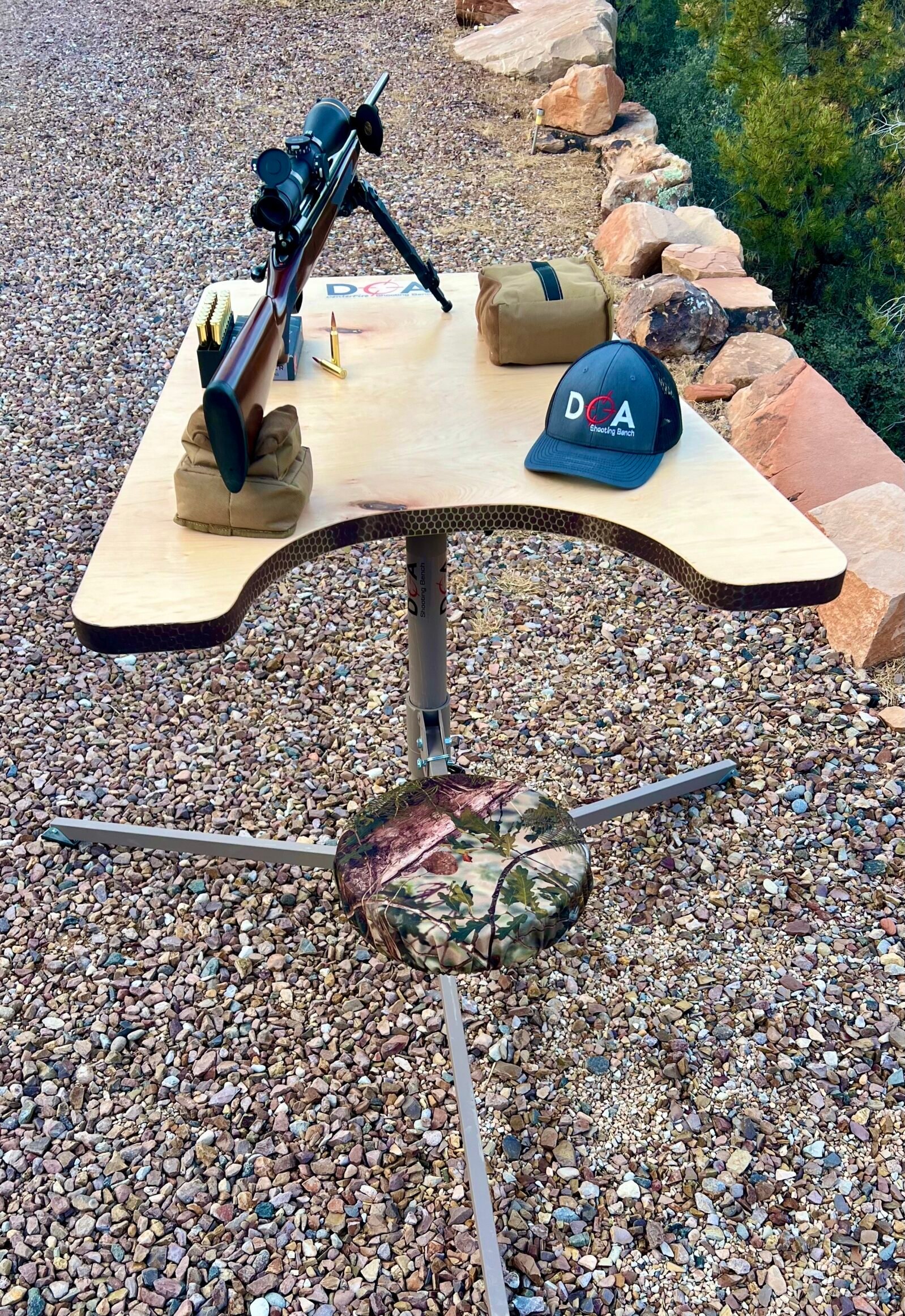
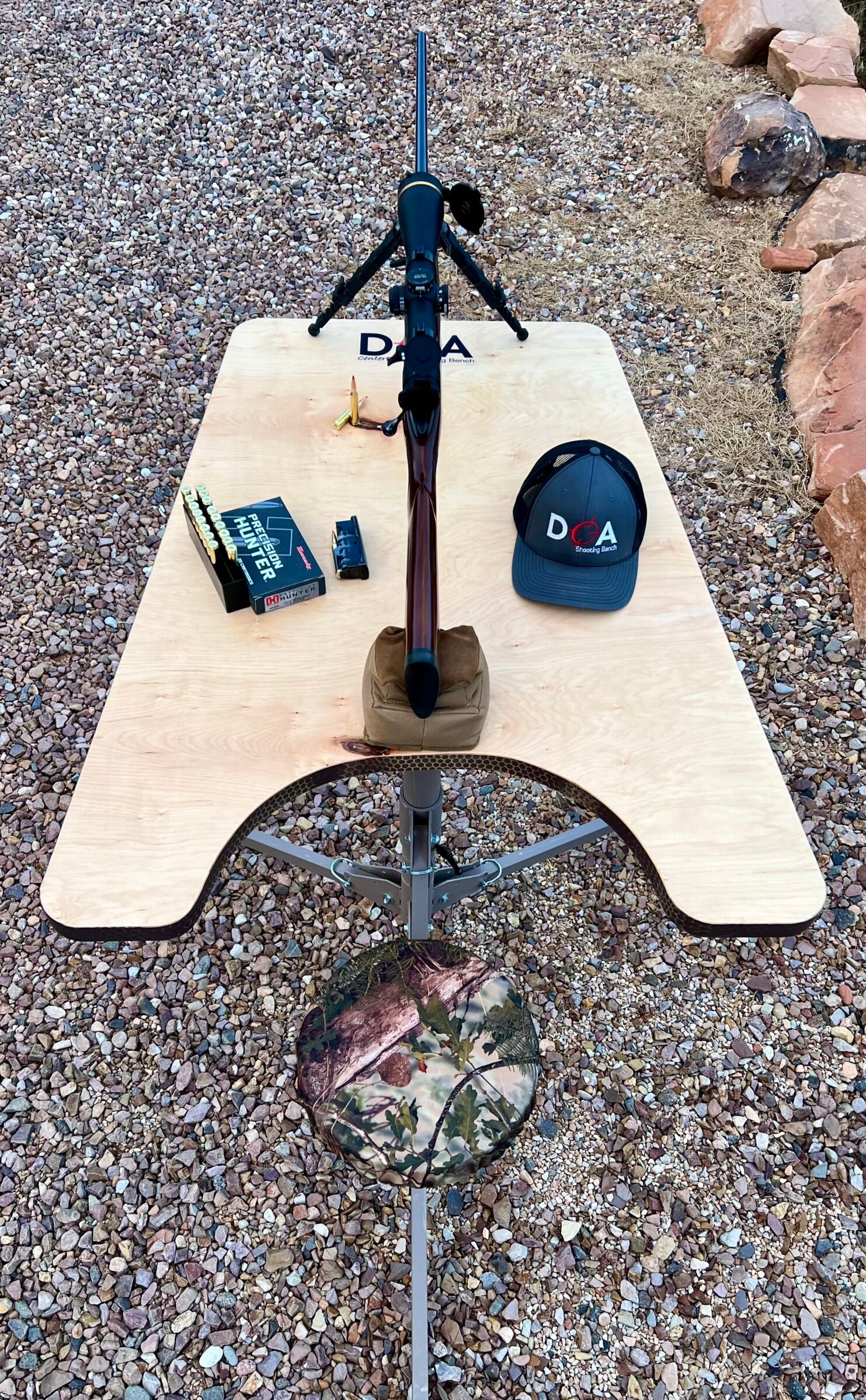
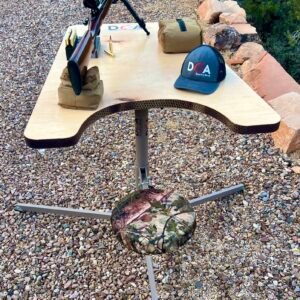
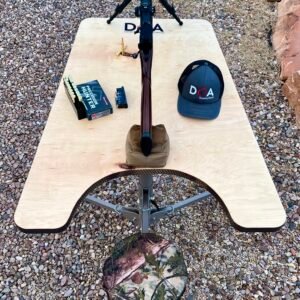
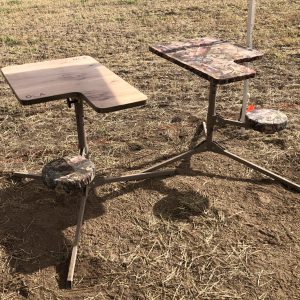
We *generously* widened the base of our Original Standard DOA Tabletop by a whole six inches and then thoughtfully carved out a nine-inch-deep curved chest pocket so that both right- and left-handed shooters can finally enjoy equal real estate across the entire CenterFire surface. Total length remains a sleek, no-nonsense 39 inches—because heaven forbid we actually make the thing longer.
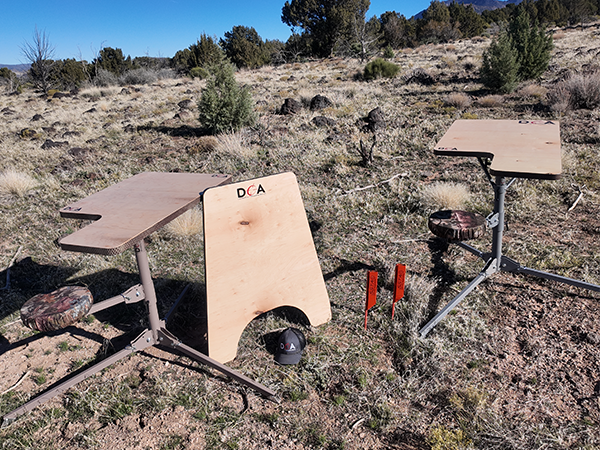
And why the wedge shape, you ask? Well, during our highly scientific R&D phase, the pretend customers we dragged in to shoot off the prototype CenterFires all insisted on shooting *across* the top instead of straight on. Shocking, we know. So rather than force them to use the wood that was just sitting there doing nothing, we simply removed it. After all, if nobody’s going to use that particular bit of lumber, why leave it in the way? There’s already more than enough surface area for your elbows, magazines, snacks, existential dread, kitchen sink, and whatever else you insist on parking up there.
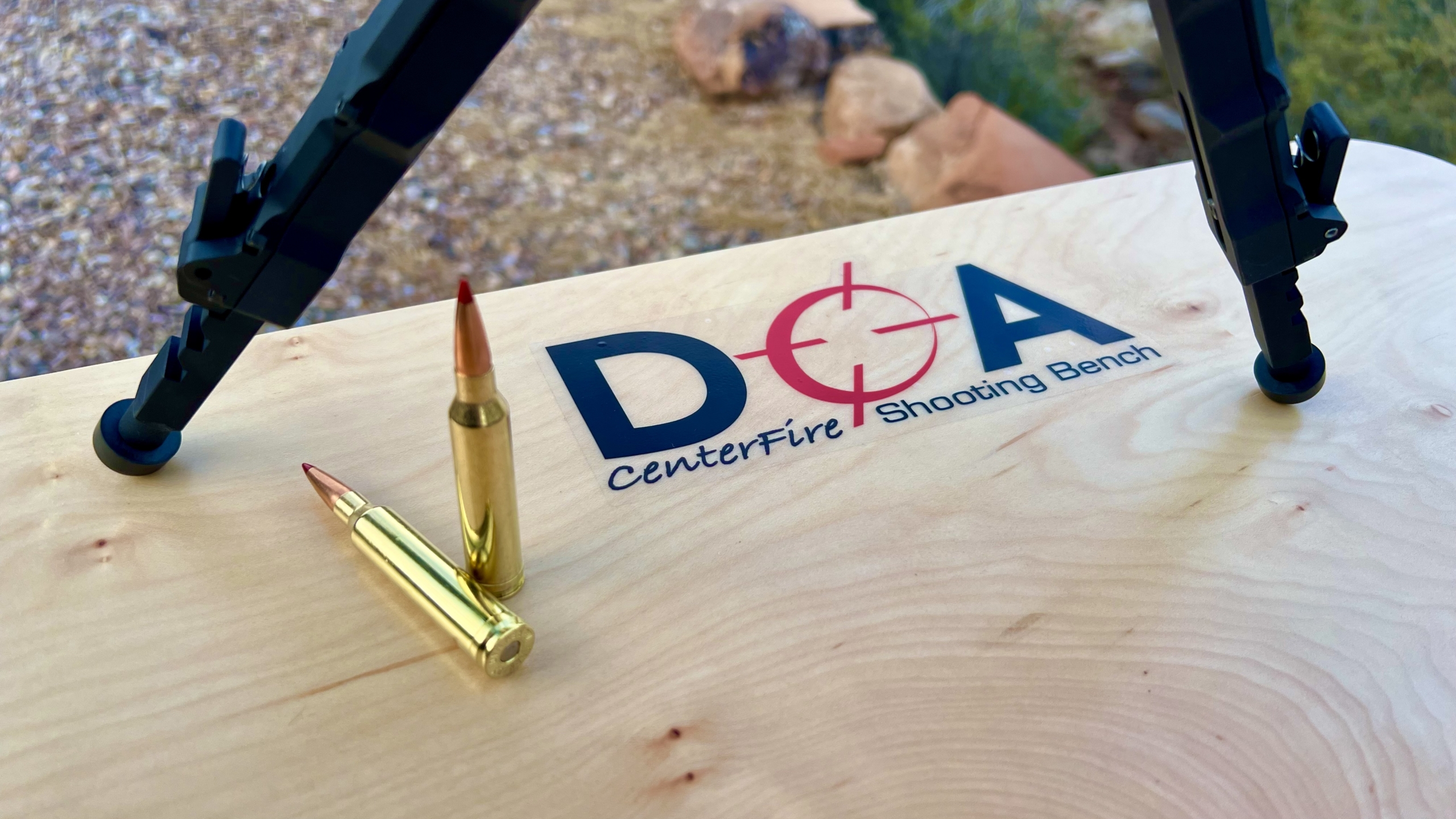
The tabletops are built from 1.5 inch maple or birch plywood, whichever the lumber yard happens to have in stock that week. Weight settles somewhere between 32 and 38 pounds depending on how stubbornly dense that particular tree decided to grow. Each one carries its own grain and texture, which is a polite way of saying no two are identical, just like every other slab of wood ever cut.
You get two finish choices: natural wood or our custom camo netting. We prefer the natural look, but a noticeable number of people see plain wood and conclude we simply forgot the final step. The camo version was invented for them. The only practical difference is a coat of paint on the camo option. Both tops then get a weather-resistant coating—resistant, not weather-proof. We’re not interested in pretending a finish will laugh off a monsoon.
Reviews
There are no reviews yet.